

The Ube Fiasco
Kelly Anne Besmonte
Nov 11, 2025
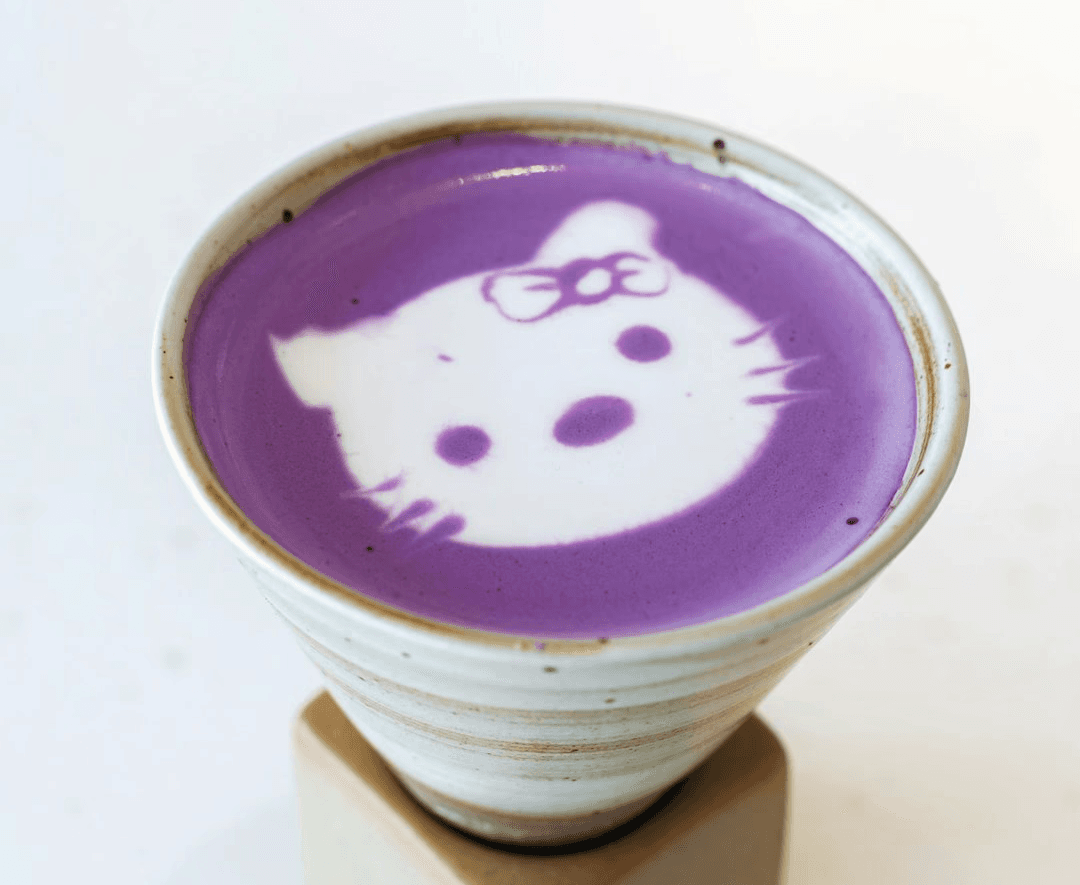
To say that I loved ube as a kid would be the understatement of the century. Ube champorado, ube ice-cream, ube polvorón, ube crinkle cookies, ube wafer sticks - literally anything with ube, I was devouring it all.
It wasn’t something that I had every day as a Filipino child growing up in Canada, but it was such a divine treat whenever I did.
Fast forward to 2025, it’s not lost on me how fast ube has become a trend out here in the west. What was once a flavour I found very seldom is now everywhere in trendy coffee spots, ice cream parlours, bakeries, and even in makeup products.
This isn’t the problematic part, you would think.
As Filipinos, so much of our love and community is shared through food. Why would we want to gatekeep that? We want our food to be shared. We want more people to discover the unique tastes of our culture.
What we don’t want is for our culture to be exploited for clout, content, or cash, especially by people who have no connection to it beyond how marketable it appears.
Let’s talk about a matcha / ube brand that has taken TikTok and Threads by storm called Ubatcha.
I’m name-dropping the business not to incite hate, but because this is already a conversation many people are having online. And it’s an incredible one to have.
As a designer and developer, I think it’s important to break down where things went wrong.
This isn’t just about one brand. It’s about how businesses and companies engage with culture, identity, and technology. I want to highlight the missteps in Ubatcha’s rollout and offer thoughts on how they (and others) can do better.
If you're building a brand around ube — or any culturally significant ingredient — let this be a cautionary tale, not a blueprint.
1. The Use of Artificial Intelligence
I stumbled onto this brand long before controversy found them through a paid ad on Instagram. As a consumer, I took one look at the brand and thought it must have been a fake company.
Why?
The company’s use of AI in its posts and product photos was so apparent that it didn’t feel real. If there are no actual photos of your product, how do I know it even exists? Are they trying to scam me? Is this some weird drop-shipping company? What was going on?
First impressions are everything- and if you already have consumers questioning the legitimacy of your business and product before they’ve even clicked on your site, you’ve already messed up.
The most successful brands are the ones that build trust and authenticity with their audience. By relying on AI for the most important aspects of your marketing — like product photos, branding, and copywriting — you’re not just cutting corners, you’re cutting out the very human touch that makes a brand feel real.
I found through social media discourse that Ubatcha claims their use of AI was due to financial constraints. Is that a good enough reason? In another context, maybe. But in this one? No, not really.
My mother used to make beauty products in the early 2000s. All she had were her products, labels printed with streaks, a white satin cloth as a backdrop, and a small camera. She took real photos of real products, as do many other small businesses just starting.
I truly don’t believe this company needed the fanciest setup to take photos of their matcha. They could have taken photographs on their phones, and it still would have generated more trust from the public than their artificially polished visuals.
2. What the heck is Ceremony Ube?
Every matcha lover is familiar with the word “ceremonial”. It’s a standard term used to describe the highest quality of matcha powder. But when it comes to ube, “ceremonial” or “ceremony” has no cultural or culinary relevance whatsoever.
Which brings me to another misstep in Ubatcha’s branding: their use of language and vernacular that doesn’t belong, especially when it's borrowed from other cultures and fabricated to make their product appear more luxurious or premium.
As a designer, visuals are so important. But you know what’s equally as important, if not more? Words. Copywriting. Storytelling.
Visuals and words go hand-in-hand in crafting a unique and authentic brand.
I sort of understand what Ubatcha was trying to convey with the use of the word “ceremony” for their ube powder. Just as consumers associate ceremonial matcha with high quality and tradition, I imagine they were trying to suggest that the same level of care and intention went into their ube powder.
Again, though, “ceremony” or “ceremonial” has no relevance in the context of ube. Using a term so disconnected from its cultural and culinary roots only highlights the company’s lack of research and cultural sensitivity.
It also highlights, to me, a deeper issue: the lack of diversity on their team. I think any Japanese or Filipino (or really any POC individual with cultural awareness) would have been able to spot the inauthenticity in this marketing right away. If I were in the room, I know I would have flagged it immediately. I would have been the one to say what we’re all thinking now: “This literally makes no sense.”
And that’s the problem. Too many businesses are operating in echo chambers and they are unable to hear the limitations of their ideas. They rely heavily on aesthetics, AI, and assumptions rather than real people, collaboration, and context.
Cultural oversight isn’t just a “PR risk” — it’s a sign that something is fundamentally missing in the way your brand thinks, creates, and connects.
3. Real Brands are Built by Real People & Real Stories
Storytelling is a fundamental part of my practice as a brand and web designer. Our lives and our experiences shape the way we think and operate. When it comes to design and development, it informs the choices we make and why.
The reality of Ubatcha is that its founders are not Filipino, but instead are two white women.
And you know what? That could have been okay.
It would have been fine for them to talk about their “discovery” of matcha and ube on their “life-changing” trip to Asia.
But who were they before their trip? What did they do for a living? What motivated them to connect with locals to bring matcha and ube to the masses? What did they even like about Japanese and Filipino culture besides the things that they are now profiting off of?
Most importantly, who did they meet?
As a consumer, I want to know more about the farmers that they work with. Who are they? What are their stories?
I imagine many of the farmers would be people who remind me of my own family - the nays and tays, titos and titas, and lolos and lolas of the world. I want to hear from them.
For Ubatcha, I think it would be wise — and honestly, necessary — for them to highlight the people who brought their products to life. The farmers, the packagers, the communities whose labour and traditions they’re building their entire brand on.
If you’re going to profit from ingredients tied deeply to a specific culture, the bare minimum is to ensure that those people aren’t erased in the process.
They have a platform now. With that comes responsibility. It’s not enough to sell a product with a trendy flavour. They need to use their platform to uplift the communities they’re sourcing from and to share the stage with the people who made this all possible.
Because that’s what true storytelling is about. It’s not just aesthetics and narrative, but connection, care, and credit where it’s due.
In Conclusion..
We, as consumers, have the choice on which businesses to support and where we want our hard-earned money to land. In a time when aesthetics can be generated by artificial intelligence and authenticity can easily be faked, we need to take a closer look at these brands and ask these important questions: “Who’s behind the brand? Who’s running the show? And who are they deliberately leaving out?”
So if you’re looking to support brands that lead with intention, here’s a list of Filipino-owned and matcha-focused businesses doing things differently.
Filipino Businesses (with ube goodies)
The Night Baker (https://thenightbaker.com/)
Jackie’s Creative Cakes (https://www.jackiescreativecakes.com/)
Harina Bakery (https://www.harinabakeshoppe.com/)
Casa Manila (https://casamanila.ca/)
The Purple Bakeshop (https://www.thepurplebakeshop.com/)
Valerios Tropical Bakeshop (https://valeriostropicalbakeshop.com/)
Somethin’ Sweet 4U (https://www.somethinsweet4u.com/)
Bread ‘N Batter (https://breadnbatter.ca/)
Tito Parley’s (https://www.titoparleys.ca/)
Port Union Bakery (https://portunionbakery.ca/)
Dear Flor (https://dearflor.com/)
Kasama Chocolate (https://kasamachocolate.com/) *does not sell anything with ube, but many of their chocolates have flavours that nod to the Philippines
Kora (https://fromkora.com/)
Daphne’s Botanicals (https://daphnesbotanicals.com/)
Purple Potions (https://purplepotionscoffee.com/)
Terifico (https://terifico.com/)
Matcha Businesses (or businesses that sell matcha lol)
Matcha Matcha (https://matchamatcha.ca/)
Icha Tea Shop (https://ichateashop.com/collections/matcha)
Wu Wei Coffee Shop (https://www.wuweicoffee.com/)
Tsuchi Cafe (https://tsuchicafe.myshopify.com/)
Tobbi Cafe (https://www.instagram.com/hellotobbi/)
Hokusan (https://hokusan.ca/)
Pluck (https://pluckteas.com/)
Genuine Tea (https://www.genuinetea.ca/)
Paragon Tea Room (https://paragontearoom.com/products/ceremonial-matcha)
DEW Matcha Bar (https://dewmatchabar.com/)
Aikena Matcha (https://www.aikenkamatcha.com/)
Midori Spring (https://www.midorispring.com/en-ca)
brand designer, filipino designer, artificial intelligence, cultural appropriation
Back to Blog